

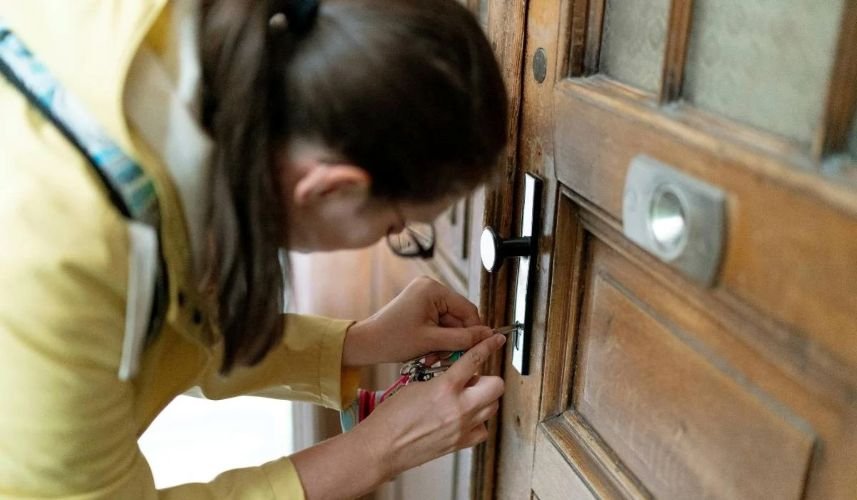
Getting locked out of your own house is one of those problems that hits you at the worst possible time. You’re late for work, groceries melting in the car, kids screaming—boom, the door shuts, and suddenly you’re standing outside like a confused NPC wondering where it all went wrong.
Let’s fix that.
Here are the most effective, real-world ways to prevent lockouts—based on how homeowners actually lose access to their homes and what expert locksmiths recommend.
Why Home Lockouts Happen More Than You Think
Before we talk solutions, let’s expose the real issue. Most lockouts happen because of:
• Forgetting keys inside
• Damaged or worn-out locks
• Loose or misaligned door latches
• Smart lock battery failure
• Lost or stolen keys
• Auto-locking doors closing behind you
Once you understand the cause, preventing it becomes way easier.
1. Keep a Spare Key (But Don’t Hide It Under the Mat)
Yes, spare keys still matter.
No, hiding them under the doormat is not “security,” it’s an invitation.
Better spare key options:
• Keep one with a trusted neighbor
• Store one in a secure, weatherproof outdoor lockbox
• Give a copy to a family member
• Use a coded key safe mounted in a discreet spot
A spare key saves time, money, and the embarrassment of explaining to your locksmith why you climbed the window.
2. Install a Smart Lock (Seriously Worth It)
Busy schedule? Smart lock is the cheat code.
Why smart locks prevent lockouts:
• No physical key needed
• You can unlock the door using your phone
• Temporary codes for guests
• Auto-unlock when you arrive home
• Alerts when your lock battery is low
Just make sure you keep batteries charged—because a dead smart lock is basically a stylish brick.
3. Maintain Your Door Locks Regularly to Prevent Future Lockouts
Most lockouts come from rusty, jammed, or worn locks that suddenly refuse to open.
Simple maintenance tips:
• Lubricate locks every 6 months
• Tighten loose screws and door hinges
• Replace worn-out keys
• Check your latch alignment
• Repair any sticking or grinding sound immediately
A well-maintained lock rarely causes surprise lockouts.
4. Never Walk Out Without a “Key Check Habit”
Create a small routine before stepping outside. Something simple, like:
• Hand tap: tap pocket or bag to confirm keys
• Visual check: hang keys on a visible hook
• Exit checklist: phone, wallet, keys
Busy people rely on habits. Set one, and lockouts drop to zero.
5. Use a Key Holder or Wall Hook Near the Door
Half of lockouts happen because keys vanish inside the house.
A simple hook or tray near the entrance fixes this instantly.
Good places to keep keys:
• Wall hook near the main door
• Key bowl or tray by the shoe rack
• Magnetic key holder on the fridge
• Dedicated cabinet or organizer
If your keys always have a home, they won’t disappear.
6. Duplicate Keys Before You Need Them
Most homeowners only think about key duplicates when they lose the original.
Too late.
Get duplicates early if:
• The key is old
• The cut looks worn
• The shape feels uneven
• The lock is harder to turn
A fresh duplicate helps prevent lock failures that cause lockouts.
7. Upgrade to a Deadbolt for Better Reliability
Low-quality locks fail more often and jam when you least expect it.
Deadbolts are stronger, smoother, and far more reliable.
Benefits of a good deadbolt:
• Long-lasting internal components
• Better alignment with door frame
• Less chance of jamming
• Higher overall security
If your door relies on a cheap spring lock, upgrading to a deadbolt instantly reduces lockout risk.
8. Don’t Ignore Early Warning Signs
Your lock always gives hints before it fails.
Most people just pretend they don’t hear it.
Watch out for:
• Key turning harder than usual
• Lock cylinder spinning loosely
• Door not latching properly
• Key getting slightly stuck
• Grinding or scraping noises
Fix issues early and you avoid emergency lockouts later.
9. Consider a Professional Home Security Assessment
A home security assessment from a locksmith identifies:
• Weak lock points
• Faulty doors
• Old hardware
• Security gaps
• Potential lockout risks
• Smart lock upgrade opportunities
Think of it like a health check for your locks—small fixes now save big problems later.
Final Thoughts
Lockouts aren’t just annoying—they waste your time, money, and energy. But with a few smart habits and simple upgrades, you can completely avoid future lockouts.